The Secrets of "Ankh": The Key of Life in Ancient Egypt
The Key of Life, known in the ancient Egyptian language as "Ankh", represents one of the most fascinating and deeply significant symbols in human history. This unique symbol, resembling a cross crowned with a looped handle, was not merely a decorative piece, but rather the core of Pharaonic philosophy in understanding the secret of existence and immortality.
Symbolism and the Geometric Design Secrets of the Key of Life
The design of the Ankh consists of three main parts carrying cosmic dimensions; the upper circle symbolizes eternity and the divine horizon, while the horizontal line represents outstretched arms for giving or the sunrise and sunset. The vertical line denotes the pillars of stability and the human body connected to earth and sky. This wonderful geometric harmony reflects the ancient Egyptian's view of the universe as an integrated structure governed by divine laws and ultimate precision.
The Role of the Sacred Amulet in Resurrection Rituals and Pharaonic Beliefs
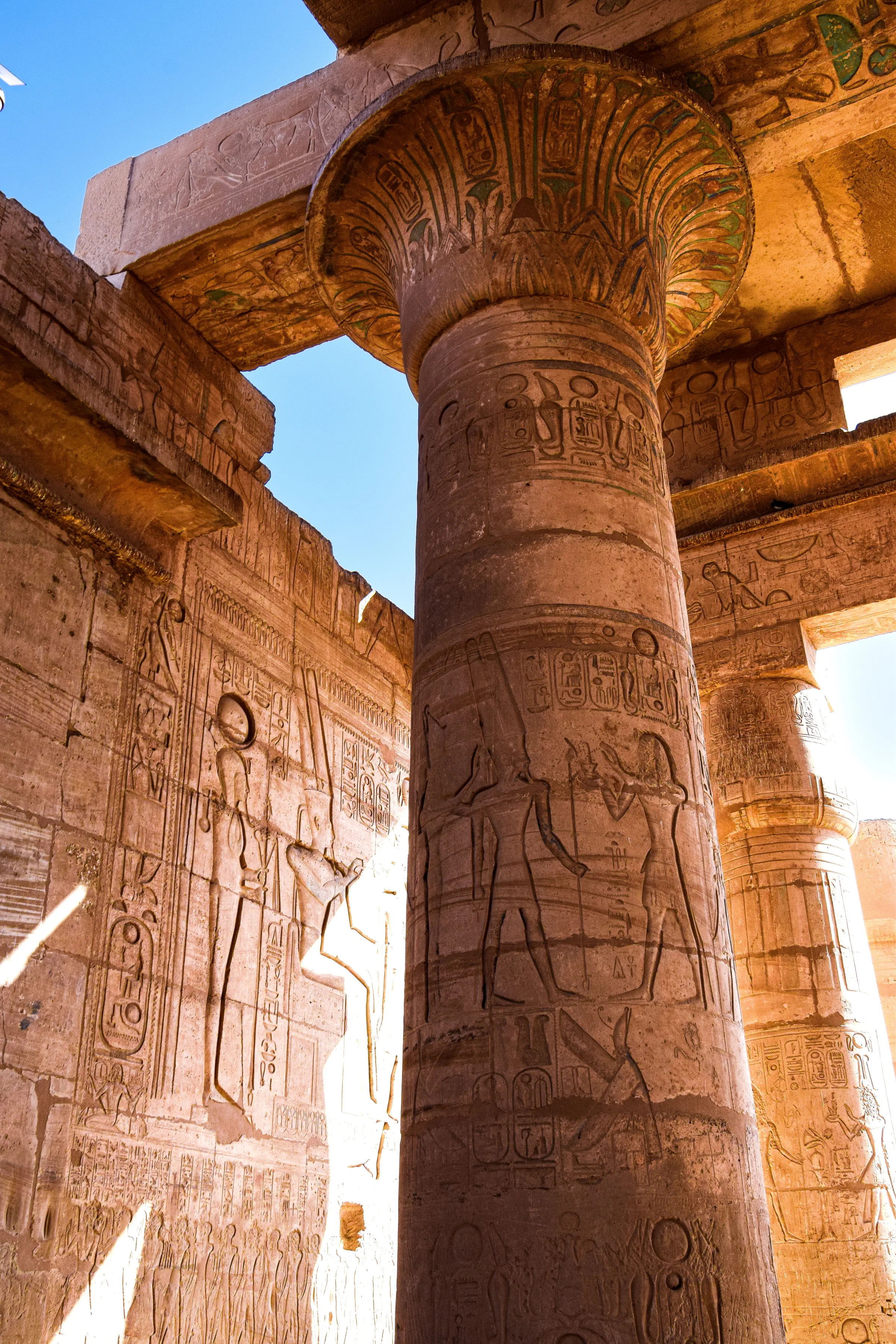
In religious beliefs, the Ankh was closely associated with deities such as Isis and Osiris. Often, temple and tomb walls depicted gods extending the key of life toward the nose of the king or the deceased, as a symbolic gesture granting them the "breath of life" and the ability for resurrection and immortality in the afterlife. Priests and ordinary people also used it as a sacred amulet protecting the living from harm and ensuring a safe journey for the dead toward the Pharaonic paradise.
The impact of this symbol has transcended the limits of time, becoming an immortal icon that inspires arts and archaeological studies to this day, embodying the ancient Egyptian civilization's passion for life and its fierce desire to conquer death through the belief in eternal survival.